
Elias & Yousef Anastas (AAU Anastas):
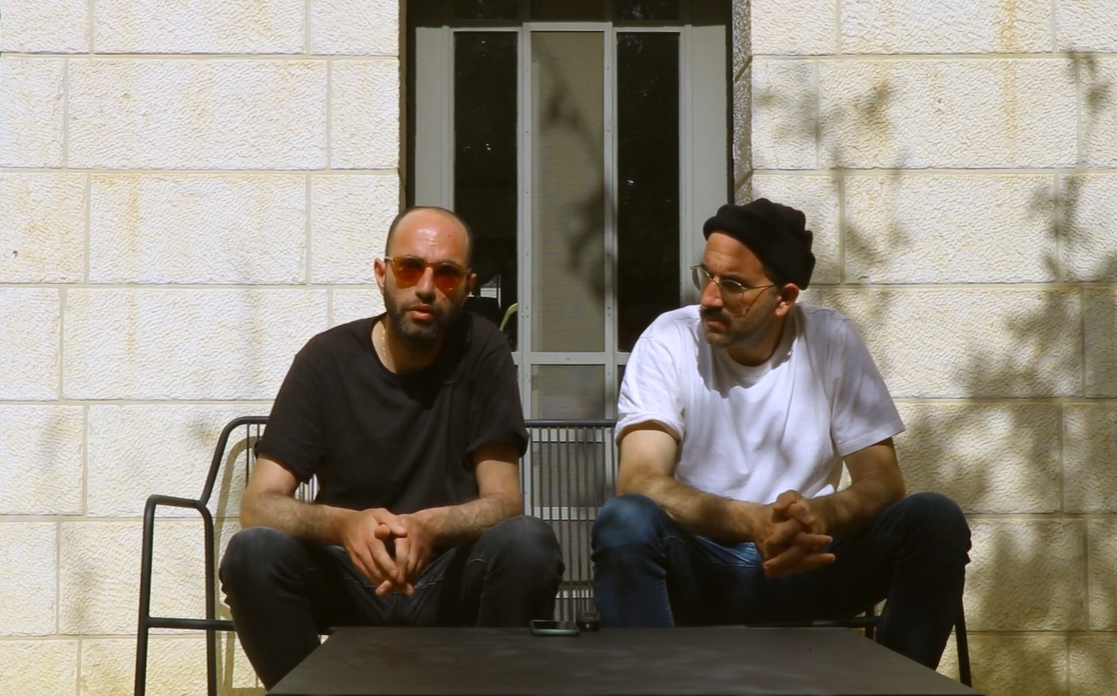
©Pelin Tan, 2023.
“Wonder Cabinet’te mimarlığı tanımlayan şey biçim değil, içinde olan şeydir: İnsanlar, programlar, etkinlikler. Yapı, hem malzeme hem de tipoloji açısından yerel bağlama köklü biçimde bağlı; çevresindeki Filistin mahallesi ve peyzajıyla da sürekli bir diyalog içinde yer alıyor.”
Mimarlığın Direnişe Tanıklığı
Bir bina, bir konut, bir çadır… Birçok başka malzeme ve tasarım biçimi; sıklıkla savaşın, felaket yıkımının ve şiddetin insani olmayan tanıklığının aracısı olur. 1948 tarihli Nakba’dan bu yana Filistin şehirlerinin ve kırsal topraklarının soykırıma dayalı zorla yıkımı, Filistin mimarlığının biçimlerini bir direniş biçimi olarak etkilemiştir.
2023’te, Wonder Cabinet’te “Arşiv Olarak Peyzaj” başlıklı bir atölye yürütmek üzere davet edildim (1). Mimarlığın, peyzajların, topoğrafyanın ve konutların İsrail’in süregelen yavaş şiddetine ve sömürgeciliğine nasıl tanık olduğunu, işgal altındaki Batı Şeria, Filistin’de bulunduğum zamanlarda yıllarca düşündüm.
©AAU Anastas
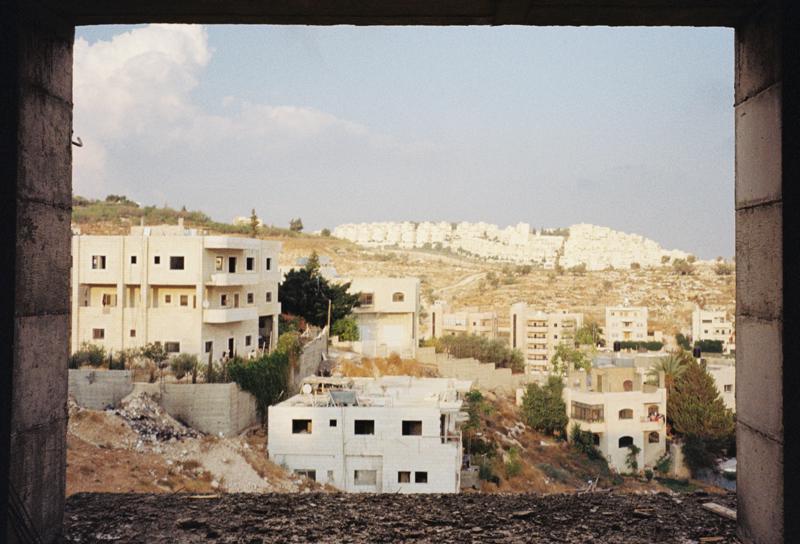
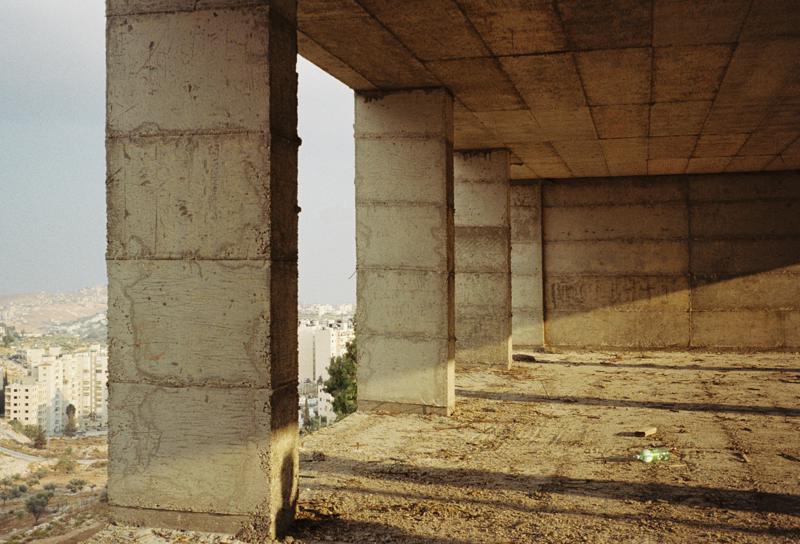
Yerel bir arıcının öncülüğünde, Wonder Cabinet’in çağrısı ve organizasyonuyla, Battir köyünün toprakları etrafında, İsrailli yerleşimciler tarafından el konulma tehdidi altında olan ve yasadışı şekilde etrafı çevrilen zeytin ağaçları ve zengin biyoçeşitlilik arasında ekolojik bir yürüyüş yaptık. Filistin ekolojik pratiğini dünyevi bir direniş biçimi olarak anlayıp, yürüyüş hattını takip ederek dayanışmamızı gösterdik. Mimarlarla birlikte inşaatın içindeyken, büyük pencerelerden bakıp, yasadışı İsrail yerleşimlerinin dolu olduğu peyzajın genişleyen ufkunu gördüm.
©AAU Anastas
Peyzajlara ihtimam gösterme, komşuluk, Filistin sınırları ötesinde yerel-ötesi bir topluluk birlikteliği yaratma, Radio Alhara dayanışmasını kurma ve barındırma; dünya çapından ve bölgeden sanatçılara, tasarımcılara, müzisyenlere ve aşçılara ev sahipliği yapan konaklama mekanları; Wonder Cabinet, direnişi ve Filistin kültürünü sürdürmenin ortaklaşa mimari gerçekleşimidir.
Elias ve Yousef Anastas’ın mimari pratikleri, her zaman peyzajları koruma ve onları performatif bir biçimde dönüştürme, bize tasarım yoluyla kültürel ve ulusal kimliği hatırlatma ve Filistin’de dayanışma ve direniş biçimleri bulma üzerinedir.
AAU Anastas’ın kurucuları, mimarlar Elias ve Yousef Anastas tarafından tasarlanan Wonder Cabinet, 2025 Ağa Han Mimarlık Ödülü’nün sahibi oldu. Ana Jüri, binanın ulusal kimliğin çağdaş ifadelerinde kök salmış bir bağlantı mimarisi için model sağladığını ve kültürel üretimin bir direniş aracı olarak önemini vurguladığını belirtti.
Pelin Tan, Prof. Dr.
PELİN TAN Mimarlar ve araştırmacılar, ekstraktivist sömürge stratejilerinin Filistin mimarisi, şehirciliği ve inşa pratiği üzerindeki gelişimini ve etkisini nasıl görüyor?
ELIAS & YOUSEF ANASTAS Son kırk elli yılda, Filistin’in kentleşmesi fetihle yönlendirildi. Şehirlerin kamulaştırılmasını önlemek için çok hızlı bir kentleşme biçimi gözlemledik. Bu yüzden Ramallah, Nablus ve Hebron gibi büyük şehirlerde bir tür toprak fethine tanık oluyoruz.
Binalar, birbirleriyle gerçekten iletişim kurmayan, bir masterplana ya da herhangi bir bölgesel düzenleme kararına bağlı olmayan nesneler gibi görünüyor. Aslında bu durum, malzemenin kullanımıyla mimarinin biçimi arasındaki ilişkiyi ve malzemenin mimarinin biçimini ve teritoryal yönünü nasıl etkilediğini ortaya koyuyor.
Bugün, her zamankinden daha fazla, Filistin’de mimarinin temsil edilme biçimi doğrudan nesnenin kendisine bağlı hale geldi. Artık doğa ile kurulan o ilişki yok oldu. Tarihsel olarak Filistin kentleri; doğa fikri etrafında biçimlenmiş, son derece yoğun çekirdekler ve kent merkezleri oluşturmuştu. Doğayı korumanın doğal yolu, yani Filistin kentlerinin biçimlenmesinde baskın bir unsur olan yaklaşım, tarihsel olarak bozuluyor. Eskiden kent merkezlerinin çevrelerindeki peyzajla kurduğu ilişki, yüksek yoğunluklu bir merkez yaratırken doğayı koruma ilkesine dayanıyordu; bu da doğayı her türlü mimari ve inşai müdahaleden arınmış tutarak başarılmıştı.
Bugün, bu ilişki bir yandan kentleri yoğunlaştırma ve yapılaşmayı artırma ihtiyacıyla, diğer yandan ise bu peyzajları koruma ve işgal tarafından istimlak edilmelerini engelleme çabasıyla bozulmaktadır. Mimarlık, aşırı mülkiyetin aleti olarak, bir araç gibi kullanılmakta; aynı zamanda bu toprakların mimari biçimler aracılığıyla korunmasını sağlamaktadır.
PT Kentsel formun genişleme biçimleri neler? Ve taş malzemeler bundan nasıl etkilendi?
E&YA Kentin mimari evrimi, kullanılan malzemeler ve bu malzemelerin değişen kullanımıyla yakından ilişkili. Bu süreçte, malzeme kullanımı büyük ölçüde taştan betona kaydı. Ancak bu oldukça yakın dönemde gerçekleşti. Taş, ilk olarak yapısal bir malzeme, iklimsel bir unsur olarak kullanılmış; kentin biçimleri de bu malzemenin kullanım biçimiyle bağlantılı olmuştu.
Dolayısıyla mimarlık, yapısal bir malzeme olarak taşın olanak verdiği biçimlerle ilişkili. Malzemenin yapısal bir unsurdan kaplama malzemesine dönüşmesi ise kentin morfolojisini köklü biçimde değiştirdi. Bu dönüşümün, politik, kültürel ve çevresel nitelikteki tarihsel olaylarla üst üste geldiğini; dolayısıyla malzemenin kullanım ortamını tamamen farklılaştırdığını da göz önünde bulundurmak gerekiyor.
Bu bağlamda, malzeme kullanımına ilişkin düzenleme süreci özellikle 1918’de Britanya Mandası döneminde Kudüs’te başlatıldı; taşın her yapıda kullanıldığı bir uygulama biçimi zamanla diğer Filistin kentlerine de yayıldı. Yüzyılın başında taş yapılar inşa edilirken, günümüzde bu taş artık kaplama malzemesi olarak kullanılıyor. Bu eğilim küresel bir mimari dönüşümün parçası olsa da, Filistin’de taş kaplama ve Gladstone kullanımı politik bir meseleye, toprağın geri kazanımına, doğrudan bağlı. Dolayısıyla taş kaplama, toprakla özdeşleşmiş bir uygulama. Malzeme kullanımıyla ilgili bu beceriler, kentin büyümesi ve kentleşme süreçleri ile yakından ilişkili.
PT Filistin şehirciliği İsrail işgaline ve toprak üzerindeki iddialarına nasıl yanıt veriyor?
E&YA İşgal ve toprak üzerindeki hak iddiaları nedeniyle kentlerin sınırları net bir şekilde tanımlanamıyor. Kentlerin sınırları, mimari referanslardan ya da tarihsel Filistin kentlerinin tipolojik karakterlerinden bağımsız biçimlerde gelişiyor. Bu nedenle Filistin kenti simgesel (ikonik) değil, tipolojik bir kent. Tipolojik mekanlardan oluşuyor; bu mekanlar dönüşebilir, uyarlanabilir, farklı biçimlerde yeniden kullanılabilir.
Bu açıdan Filistin kentleri son derece çağdaş, çünkü sabit ya da simgesel değiller; farklı programlara, yaşam biçimlerine ve kullanımlara kolaylıkla uyum sağlayabilirler. Ama Filistin kentlerinin çağdaş mimarisinde, bu tür bir enerji göz ardı ediliyor. Malzeme tüketimine dayanan, yeni bir mimari dili olan bir yaklaşım ortaya çıktı. İster fosil olsun… ister kalıntılar… bu, görmekte olduğumuz bir meydan okumanın kalıntıları gibi.
PT Wonder Cabinet’i nasıl hayal ettiniz? İlham kaynağınız neydi? Fun Palace (Cedric Price & Joan Littlewood) gibi bir kültürel fabrika fikrini hatırlatıyor.
E&YA 2019’da, pratiğimizi nasıl daha erişilebilir ve kamusal hale getirebiliriz diye düşünmeye başladık. Özellikle, farklı geçmişlerden ve disiplinlerden insanların bir araya gelip bilgiyi paylaşmanın ve aktarmanın yeni yollarını keşfedebileceği bir alan yaratmakla ilgileniyorduk.

©AAU Anastas
©AAU Anastas
Stüdyomuz, taş yapım tarihine odaklanan bir araştırma projesine dahil olmuştu. Buna paralel olarak, şu anda dünya genelinden 300’den fazla sanatçıyı ağırlayan çevrimiçi bir radyo istasyonu olan Radio alHara’yı kurduk; konaklama temelli bir formatta işliyor. Filistin’de inşa etmeye başladığımız dönemde aynı zamanda Local Industries adında bir üretim ağı da kurduk; zanaatkarları, üreticileri, kaynak ustalarını, mühendisleri ve mimarları bir araya getiriyor. Amaç, mevcut yerel üretim imkanlarını kullanarak nesneler ve mimari elemanlar üretmekti. Her biri pratiğimizle derinden bağlantılı tüm bu girişimler, Wonder Cabinet’te kesişiyor. Wonder Cabinet, bu örtüşen ilgi alanlarının ve ağların bir araya geldiği, geliştiği ve daha geniş bir toplulukla paylaşıldığı bir mekan olarak işliyor.

©AAU Anastas
©AAU Anastas
©AAU Anastas
PT İnşaatın tasarım ve üretim süreci nasıldı? Peyzaj ve Filistin mahallesiyle ilişkisi nedir?
E&YA Küçük bir zanaatkar grubu, taş ustaları ve Local Industries ağıyla birlikte çalıştık. Amacımız inşa sürecini basitleştirmek ve faaliyet alanını her aşamada mümkün olduğunca azaltmaktı. Bina, değişen koşullara, yerleşik sanatçıların ihtiyaçlarına ve mekanın farklı kullanımlarına sürekli uyum sağlayabilecek esnek bir altyapı olarak tasarlandı.
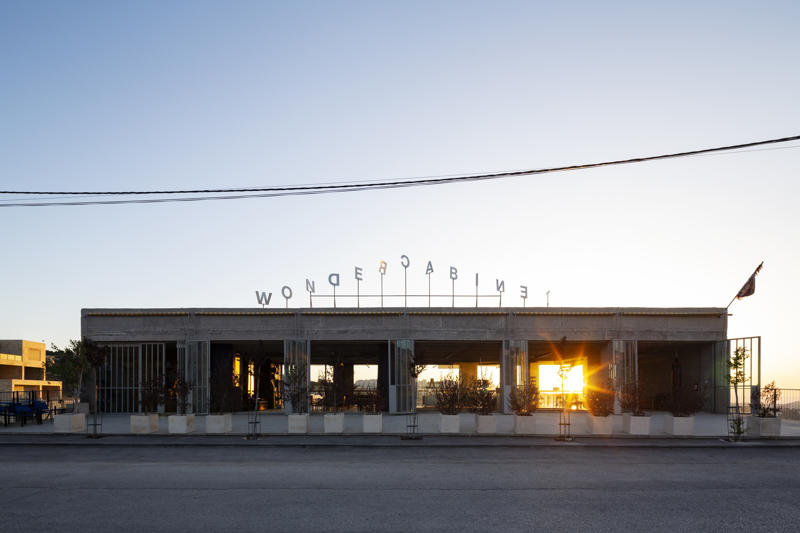
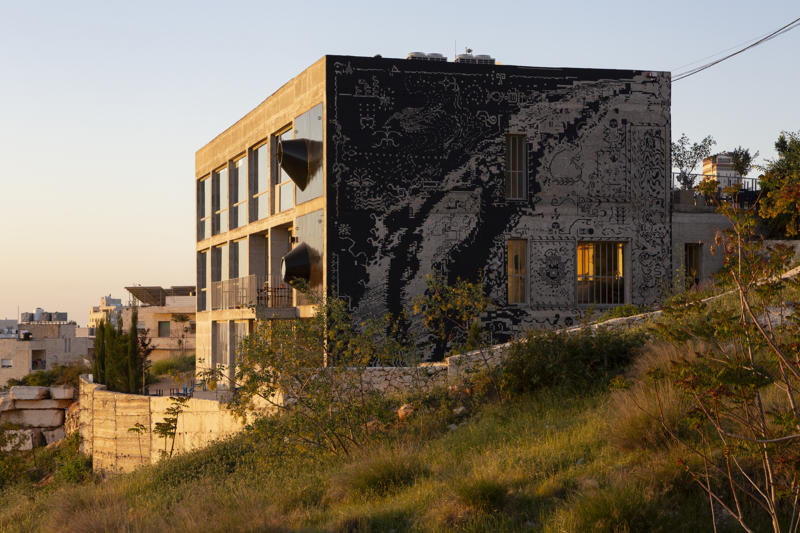
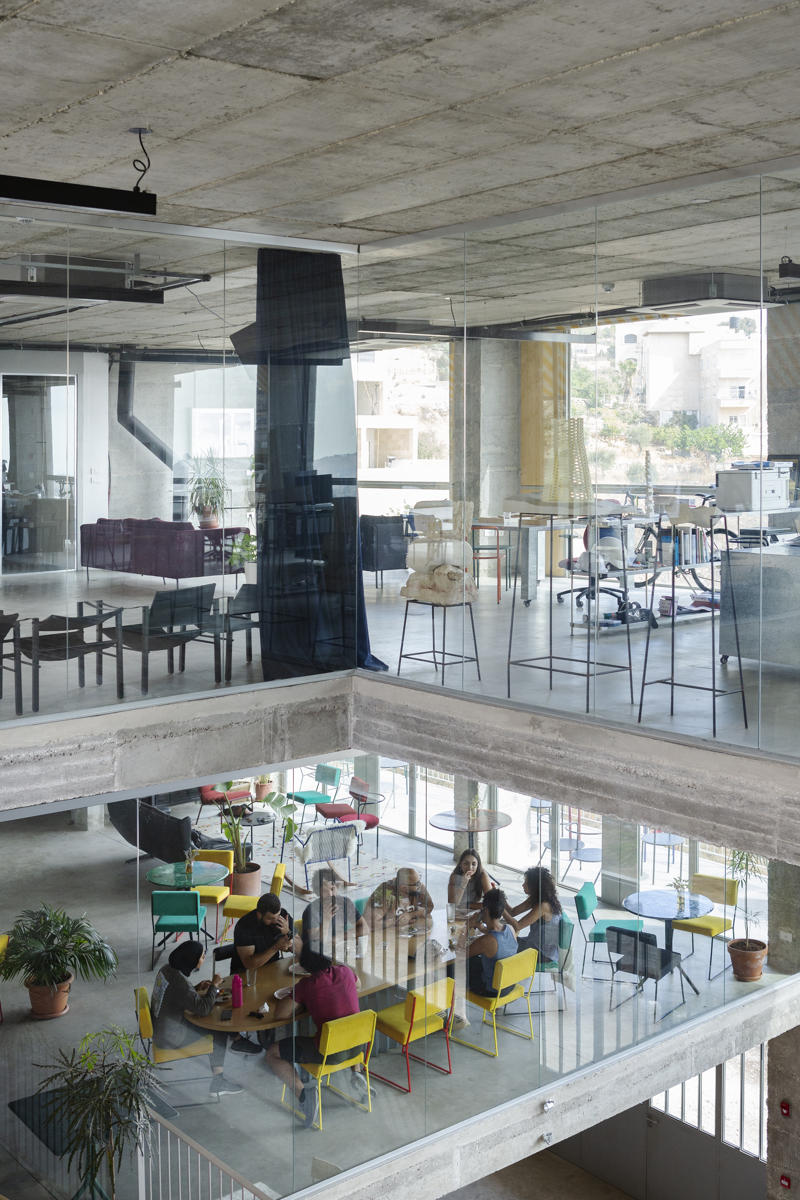
Tasarım, Batı Şeria genelinde yaygın bir mimari tipolojiden esinlendi. Bu tipolojide genellikle zemin katta ticari bir bölüm, üst katlarda konutlar bulunur. Wonder Cabinet’te bu tipolojiyi yeniden yorumladık; sadece zemini koruduk ve bunu birkaç kat boyunca tekrar ettik. Böylece yataylığı ve uyarlanabilirliği öne çıkaran, üç katlı bir “plinth” (kaide) sistemi oluşturduk.
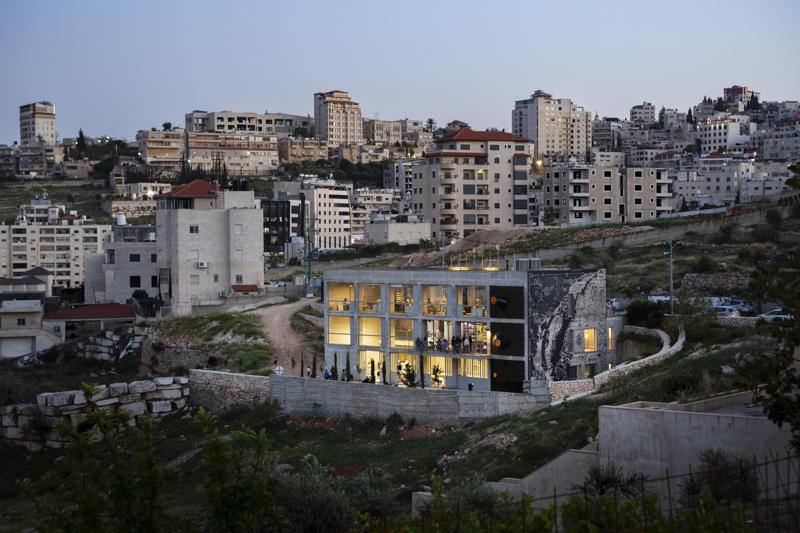
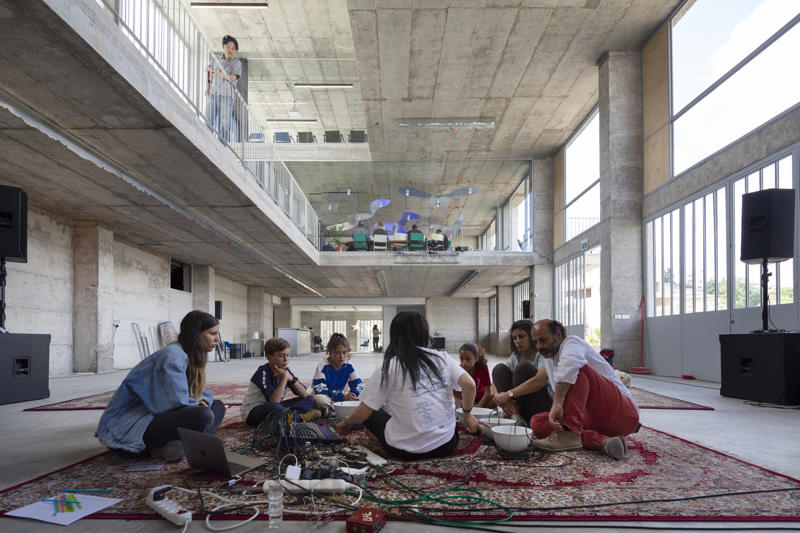
Wonder Cabinet’te mimarlığı tanımlayan şey biçim değil, içinde olan şeydir: İnsanlar, programlar, etkinlikler. Yapı, hem malzeme hem de tipoloji açısından yerel bağlama köklü biçimde bağlı, ama çevresindeki Filistin mahallesi ve peyzajıyla da sürekli bir diyalog içinde.
©AAU Anastas
PT “Wonder Cabinet” terimi Filistin’in aktif kültürel mirası için ne anlama geliyor? Ne tür bir projeyle devam ediyorsunuz ve ekibinizde kimler var?
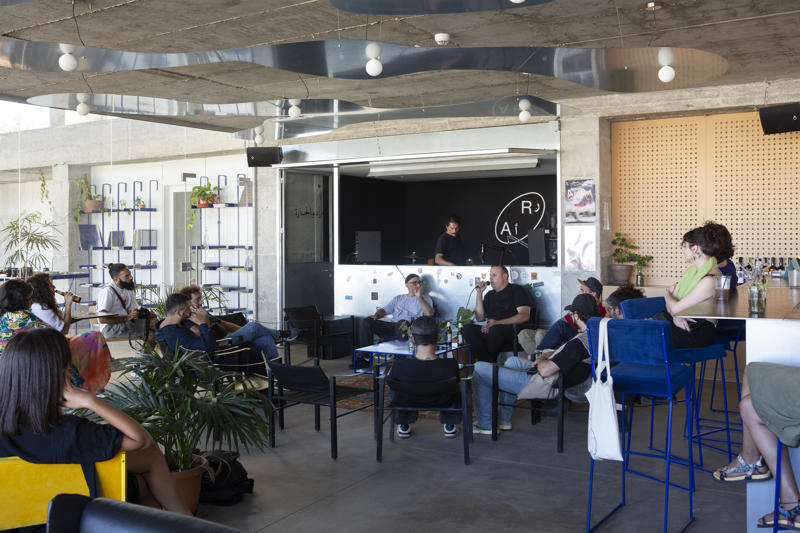
E&YA Wonder Cabinet, bir okulun temelini oluşturuyor. Sanat ve mimarlık için deneysel bir öğrenme programı; Bethlehem’e sıkı sıkıya bağlı ama bilgi ve hayal gücüyle kurulan küresel ağlarla bağlantılı. Bu bağlantı kurumsal bir tekrar yoluyla değil, pratik aracılığıyla kuruluyor: Fikirleri gerçek ölçekte test ederek, kolektif biçimde öğrenip üreterek. Okul, sanat ve mimarlık eğitimindeki geleneksel doğrusal yapıları sorgulayacak.
Program, ortak öğrenmeye, uygulamalı pratiğe ve deneye dayanıyor. Sanatçıları, zanaatkarları, tasarımcıları, mühendisleri, araştırmacıları ve girişimcileri bir araya getirerek akademik iş birlikleri, proje temelli deneyler ve üretimler, malzeme temelli sürdürülebilir süreçler üzerine araştırmalar, açık kaynak bilgi paylaşımı, teknik akşam dersleri, sanatçı atölyeleri, uygulamalı profesyonel eğitimler ve tematik pratik-teorik dersler geliştirecek.
©AAU Anastas

©AAU Anastas
©AAU Anastas
Bu programlar, Filistin’den ve dünyanın dört bir yanından öğrencileri, araştırmacıları ve profesyonelleri bir araya getirerek temaları, malzemeleri ve teknikleri birlikte keşfetmelerine olanak tanıyacak; aynı zamanda yerel ekosistemle etkileşim kurmalarını sağlayacak. Odak noktası öğretmek değil, birlikte üretmek; yaparak öğrenmek, malzeme üzerinden düşünmek.
Wonder Cabinet ekibi; mekanın direktörü, program koordinatörleri, bir üretim yöneticisi ve çok sayıda zanaatkar ve üreticiden oluşan Local Industries ağı üyelerinden oluşuyor.
Not
- Pelin Tan tarafından yönetilen “Landscapes as Archives: On the Spatial Production of Palestine” başlıklı belgesel için bkz. (https://www.youtube.com/watch?v=_qLWukSNbHE)
Wonder Cabinet, Milano Trienali’nde
“Wonder Cabinet, sanatsal ve kültürel gelişim için Filistinli bir mekan olarak, Milano’ya ilk kez, Sounds of Places (Mekanların Sesleri) adlı araştırma ve misafir sanatçı programı kapsamında üretilen özgün işleriyle bir grup sanatçıyı getiriyor. Bu proje, Gazze’de devam eden soykırımın ve Batı Şeria’daki giderek daha kısıtlayıcı ilhak uygulamalarının ortasında, 2024 baharında başlatıldı ve mekanların işitsel kimliğine adanmış bir araştırma olarak kurgulandı.
Filistin’in doğal peyzajlarında yaşanan dönüşümler, sistematik olarak kamulaştırmalar, kuşatmalar ve kaynakların kesilmesiyle tehdit edilen bu alanlar, yerleşimcilerin ve İsrail ordusunun uyguladığı şiddetin bir yansıması. Sounds of Places: Cremisan Valley (Cremisan Vadisi), Bethlehem çevresinde hala erişilebilir olan son yeşil alanlardan biri olan Cremisan Vadisi’ne izleyiciyi dahil ederek, bu bölgenin biyolojik çeşitliliğini, tarihsel ve kültürel önemini anlatmayı ve korumayı amaçlıyor.
Yerleşik sanatçıların canlı müdahalelerini, ses heykellerinin, doğa kayıtlarının ve 2024 edisyonu kapsamında üretilen canlı performansların seslerini bir araya getiren bu çalışma, Voce Triennale mekanını kolektif bir dinleme alanına dönüştüren yeni bir ses yerleştirmesi aracılığıyla vadinin işitsel peyzajını yeniden kuruyor (1).”
Not
- Triennale Milano – Wonder Cabinet: Sound of Places, Cremisan Valley. (https://triennale.org/en/events/wonder-cabinet-sound-of-places-cremisan-valley)
AAU Anastas hakkında
AAU Anastas, Elias ve Yousef Anastas tarafından kurulmuş, Bethlehem ve Paris’te ofisleri bulunan bir mimarlık ve araştırma stüdyosudur. Stüdyo, el işçiliği ile mimarlığın kesişim alanlarını, mobilya tasarımından geniş ölçekli bölgesel çalışmalara kadar farklı ölçeklerde araştırır. Filistin’de ve ötesinde mimaride yapısal taşla çalışmaya çağdaş bir yaklaşım geliştirir.
Çalışmaları özellikle taş kullanımının politik boyutlarına dikkat çeker; karbon ayak izini azaltmayı, daha dirençli kentsel çevreleri teşvik etmeyi ve malzemenin daha sorumlu bir biçimde temin edilip uygulanmasını amaçlar. Stone Matters gibi projeleri, taşın Filistin’deki toplumsal ve tarihsel önemini incelerken, yenilikçi çağdaş uygulamalar da önerir.
Elias ve Yousef Anastas ayrıca, ses aracılığıyla beklenmedik dayanışma ağları kuran topluluk temelli çevrimiçi radyo istasyonu Radio AlHara’nın da kurucularıdır. Pratikleri, birbirinden oldukça farklı, hatta bazen alakasız görünen, bağlamları ilişkilendirerek yeni diyalog ve direniş biçimlerinin ortaya çıkmasını hedefler.
AAU Anastas, aralarında Milano Trienali (2025), The Voices of Sirens, Gibraltar (2015), Victoria & Albert Museum (2017), Alserkal Avenue (2018), Vitra Design Museum (2018), Al Ma’mal Foundation, Kudüs (2018), Dar El-Nimer, Beyrut (2018), London Design Museum (2019), Biennale d’Orléans (2019), Royal Academy of Art, Londra (2020), The New Stone Age sergisi, Building Centre, Londra (2020), Amman Design Week (2019), Venedik Bienali (2021), House of Architectural Heritage, Bahreyn (2022), Taipei Bienali (2023), M7, Doha (2024), Lamia Bousnina Sanat Galerisi, Tunus (2024) gibi birçok uluslararası sergi ve kurumda yer aldı.
Bethlehem’in eteklerinde, Al-Karkafeh Vadisi’ne bakan bir yamaçta konumlanan Wonder Cabinet (Bethlehem / Filistin), AAU Anastas tarafından tasarlanmıştır. Proje, 2025 yılında Ağa Han Mimarlık Ödülü’nü kazanmıştır.
Pelin Tan hakkında
Türkiye’de Batman Üniversitesi’nde profesördür. “Landscapes of Archives” adlı belgesel filmin yönetmenidir; film, Filistin’de toprak denetiminin sömürü ve baskısına karşı mimarlığın ve kentselliğin oluşumunu ve direnişini ele alır. Tan, Canadian Center for Architecture (CCA) Araştırma Ağı Yürütme Komitesi (2025–2027) üyesidir ve IBA Stuttgart Küratöryel Kurulu’nda (2018–2027) yer almaktadır. Kitabı Forms of Non-Belongings (e-flux books & Sternberg Press & MIT Press) yayımlanmıştır. Pelin Tan ayrıca Radio AlHara’da Threshold Infrastructure adlı programı yürütmektedir.
Architecture’s Witness to Resistance
A building, a dwelling, a tent… Many other materials and design forms are often the agency of being the non-human testimony of war, catastrophic destruction, and violence. The genocidal forced destruction of Palestinian cities and rural lands since 1948, Nakba, has impacted the forms of Palestinian architecture as a form of resistance.
In 2023, I was invited to run a workshop at the Wonder Cabinet titled “Landscape as Archives”. I meant to think for years during my stays in the occupied West Bank, Palestine: how the architecture, landscapes, topography, and dwelling were the witness of the ongoing slow violence and colonialism by Israel. With Wonder Cabinet’s call and organisation, led by a local beekeeper, we did an ecological walk around Battir village’s lands, through olive trees and rich biodiversity that are under threat of expropriation and fenced illegally by Israeli settlers. Following the walking line by understanding the Palestinian ecological practice as a form of earthly resistance, we have performed our solidarity.
When I was inside the construction with the architects, steering through the large windows, I saw the horizon of the landscape full of expanding illegal Israeli settlements. Caring for the landscapes, neighborhood, creating a co-existence of trans-local community across the borders of Palestine, founding and hosting Radio Alhara solidarity; residencies of hosting artists, designers, musicians, and cooks around the world and region; The Wonder Cabinet is an architectural realization of communality of sustaining the resistance and Palestinian culture.
©AAU Anastas
©AAU Anastas
Elias and Yousef Anastas’s architectural practices are always about preserving landscapes into performing landscapes, reminding us of cultural and national identity through design, and finding forms of solidarity and resistance in Palestine.
The Wonder Cabinet building, designed by architects and founders Elias and Yousef Anastas (AAU Anastas), is a recipient of the 2025 Aga Khan Award for Architecture. The Master Jury found that the building provides a model for an architecture of connection, rooted in contemporary expressions of national identity, and asserts the importance of cultural production as a means of resistance.
PELİN TAN How do architects and researchers see the development, as well as the impact of extractivist colonial strategies on the Palestinian architecture, urbanism, and building practice?
ELIAS & YOUSEF ANASTAS Over the last 40 or 50 years, the urbanization of Palestine has been driven by conquest. What we are observing is a form of very rapid urbanization of cities in order to prevent them from being expropriated. So we are witnessing, in large cities such as Ramallah, Nablus, and Hebron, a form of territorial conquest.
The buildings are more, looking as objects that do not really speak to each other and do not depend on the form of a masterplan or any formalization of territorial configurations. And this is, in fact, the form of material use and architecture, and how the material impacts the form and the territorial aspect of architecture.
Today, more than ever, the way architecture is represented in Palestine is linked to the object itself. And no more this relationship to nature. Historically, Palestinian cities have been configured around the idea of nature, with very dense nuclei and city centers. And the way to preserve nature naturally, that is a predominant element of the formalization of Palestinian cities, is being disrupted historically, the way city centers spoke to the landscapes where basically, creating a very high-density city center while preserving the nature and preserving nature, was achieved by maintaining it free from any form of architecture and construction.
Today, this relationship is disrupted by the need to urbanize and densify cities, on the one hand, and, on the other, to preserve these landscapes and prevent them from being expropriated by the occupation. Architecture is used as a tool, as a means of excessive property, and to ensure that these territories are preserved through architectural forms.
PT What are the forms of the expansion of the city form, and how have stone materials been affected?
E&YA The evolution of the city’s architecture is also closely linked to the materials used and to their evolving use, predominantly shifting from stone to concrete. But it’s in the most recent times. But the stone, as a material that was used first as a structural material, as a climatic material, and the forms of the city were linked to the use of the material.
So the architecture is linked to the shapes that can be built from stone, since it’s a structural material, and the evolution of the material — from a structural to a cladding material — has transformed the city’s morphology. Bearing in mind that, this use of material is superimposed with historical events that are more political, cultural, and environmental, which have constituted the environment for the use of the material that is completely different. So this is, more specifically, the slow and the use of the material, put in place in Jerusalem by the British Mandate in 1918, has now expanded to most Palestinian cities, where stone is used for every building. And, at the beginning of the century to a structure of stone.
Now it’s clad stone and the use of Gladstone, although it’s, global trend. Let’s say we’re a global architectural transformation, but here in Palestine, it is linked to political issues, the reclaiming of territories. So Gladstone is linked to the territory. So there is this: skills in the use of materials linked to the city’s urbanization and growth.
PT How does Palestinian urbanism respond to the Israeli occupation and territorial claims?
E&YA The city’s limits are not clearly defined due to occupation and territorial claims; the city’s borders are being developed in a way that has nothing to do with architectural references or the typological character of historical Palestinian cities. So the Palestinian city is typological rather than iconic. It is made out of typological spaces that can adapt, transform, and be modified in certain ways. And in that sense, they’re very, very contemporary or very modern because they’re not iconic.
They can be used in very different ways. Very different programs and very different modes of living. And it’s in that sense they’re very contemporary. But in the contemporary architecture of Palestinian cities, this type of energy is being disregarded. There is a new vocabulary of, an architecture based on, and the consumption of material that. Whether it’s a fossil. Remnants of the challenge of seeing the on.
PT How did you imagine the Wonder Cabinet? What was the inspiration? It resembles a cultural factory, like the Fun Palace (Cedric Price & Joan Littlewood).
E&YA In 2019, we began considering how to make our practice more accessible and public. We were particularly interested in creating a space where people from diverse backgrounds and disciplines could come together to explore new ways to share and transmit knowledge.
Our studio has been involved in an ongoing research project focused on the history of stone construction. In parallel, we co-founded Radio alHara, an online radio station that now hosts over 300 artists from around the world, operating through a residency-based format.
©AAU Anastas
©AAU Anastas
As we began building in Palestine, we also initiated a production network called Local Industries, which brings together artisans, makers, welders, engineers, and architects. The aim is to produce objects and architectural elements using the existing local means of production.
All of these initiatives — each deeply connected to our practice — converge in the Wonder Cabinet. It serves as a space where these overlapping interests and networks can meet, evolve, and be shared with a wider audience
©AAU Anastas
©AAU Anastas
©AAU Anastas
PT How was the design and production process of the construction? What is the relation to the landscapes and the Palestinian neighborhood?
E&YA We collaborated with a small group of artisans, stone masons, and the Local Industries network. Our goal was to simplify the construction process and minimize the scope wherever possible. The building was conceived more as a flexible infrastructure, one that can continuously adapt to changing conditions, the needs of resident artists, and the evolving use of the space.
The design was inspired by a common architectural typology found throughout the West Bank, where a building typically features a commercial plinth on the ground floor, with residential apartments above. For the Wonder Cabinet, we reinterpreted this typology by keeping only the plinth and repeating it across multiple levels. This approach created a structure composed of three stacked “plinths,” emphasizing horizontality and adaptability.
Rather than the architecture being defined solely by its form, it is shaped by what happens within: the people, programs, and activities it hosts. The building remains rooted in its local context, both materially and typologically, while maintaining a dialogue with its surrounding Palestinian neighborhood and landscape.
©AAU Anastas
PT What does the term “Wonder Cabinet” mean for Palestinian active cultural heritage? What kind of project are you proceeding with, and who is on your team?
E&YA The Wonder Cabinet is the foundation of a school. An experimental learning program for art and architecture, deeply anchored in Bethlehem and yet connected to global networks of knowledge and imagination. Not through institutional replication, but through practice: by testing ideas at real scale, and by learning and producing collectively, the School will challenge the traditional linear structures of art and architectural curricula.
Centred on collaborative learning, hands-on practice, and experimentation, it will expand the boundaries of collaboration between artists, artisans, designers, engineers, researchers, and entrepreneurs, convening them together to co-develop academic collaborations; project-based experimentations and productions; research on material-based sustainable processes; open-source dissemination of knowledge; technical evening courses; artist-led workshops; hands-on professional training; and thematic practical and theoretical classes.
©AAU Anastas
These programs will bring together students, researchers, and practitioners from Palestine and abroad to collectively explore themes, materials, and techniques, while supporting and engaging with the local ecosystem. With a focus not on instruction, but on co-production; on learning by doing, and thinking through material.
©AAU Anastas
©AAU Anastas
The Wonder Cabinet team includes a director of the space, program coordinators, a production manager, and a network of Local Industries, which involves a number of artisans and makers.
Note
- Directed by Pelin Tan “Landscapes as Archives: On the Spatial Production of Palestine” is on YouTube. (https://www.youtube.com/watch?v=_qLWukSNbHE)
Wonder Cabinet is in the Milan Triennial
“Wonder Cabinet, a Palestinian space for artistic and cultural development, brings to Milan for the first time a group of artists with original works created within Sounds of Places, a research and residency project dedicated to the sonic identity of places, launched in Spring 2024 amid the ongoing genocide in Gaza and the increasingly restrictive annexation practices in the West Bank. The transformations of Palestine’s natural landscapes—systematically threatened by expropriations, sieges, and deprivation of resources—reflect the violence of settlers and the Israeli army. Sounds of Places: Cremisan Valley immerses the audience in the Cremisan Valley, one of the last accessible green spaces around Bethlehem, to narrate and preserve its biodiversity and its historical and cultural significance. Combining live interventions by resident artists with recordings of sound sculptures, nature, and live performances produced during the 2024 edition of Sounds of Places, the work recreates the valley’s sonic landscape through a new sound installation that transforms the spaces of Voce Triennale into a site of collective listening (1).”
Note
- Triennale Milano – Wonder Cabinet: Sound of Places, Cremisan Valley. (https://triennale.org/en/events/wonder-cabinet-sound-of-places-cremisan-valley)
About AAU Anastas:
AAU Anastas is an architecture and research studio founded by Elias and Yousef Anastas, with offices in Bethlehem and Paris. Their studio explores the intersection of craftsmanship and architecture across a range of scales, from furniture design to large-scale territorial studies. They promote a contemporary approach to working with structural stone in architecture, in Palestine and beyond. Their work is particularly attentive to the political implications of stone use, with an emphasis on lowering carbon footprints, fostering more resilient urban environments, and encouraging more responsible sourcing and application of materials. Projects like Stone Matters explore the social and historical significance of stone in Palestine while proposing innovative contemporary applications. They also co-founded Radio AlHara, a community-based online radio station that builds unexpected networks of solidarity through sound. Their practice centres on connecting hyper-specific – sometimes seemingly unrelated – contexts to open up new forms of dialogue and resistance. AAU Anastas exhibited in Milan Triennial (2025), The voices of Sirens, Gibraltar (2015), the Victoria & Albert Museum (2017), Alserkal Avenue (2018), Vitra Design Museum (2018), Almamal Foundation in Jerusalem (2018), Dar in Nimer Beirut (2018), the London Design Museum (2019), Biennale d’Orleans (2019), Royal Academy of Art, London (2020), The New Stone Age at London Building Center (2020), Amman Design Week (2019), Venice Biennale (2021), the House of Architectural Heritage Bahrain (2022), Taipei Biennial (2023), M7 Doha (2024), Lamia Bousina art Gallery Tunis (2024), Triennial of Milan (2025) amongst other.
The Wonder Cabinet in Bethlehem/Palestine, designed by the architectural firm AAU Anastas, is nestled on a hillside overlooking the Al-Karkafeh Valley on the outskirts of Bethlehem. 2025 Winner of the Aga Khan for Architecture.
About Pelin Tan:
Pelin Tan, Professor at Batman University, Turkiye. Director of the documentary film “Landscapes of Archives”, focusing on the formation and resistance of architecture and urbanism against the extraction and oppression of territorial control of Palestine. Tan is a member of the Research Network Steering Committee of the Canadian Center for Architecture (2025-2027) and an IBA Stuttgart Curatorial Board member (2018 – 2027). Book: Forms of Non-Belongings, eflux book & Sternberg Press & MIT Press. Tan runs the “Threshold Infrastructure” program at Radio AlHara.

